How do I cope with the death of someone I love?
Lucius Annaeus Seneca
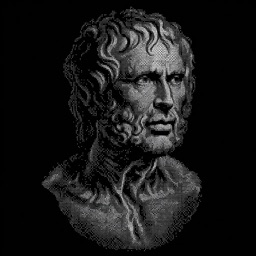 Lucius Annaeus Seneca
Grief is not a fault to be corrected, and I will not scold you for it. When my friend Annaeus Serenus died, I wept more than a philosopher should, and was ashamed, and then ceased to be. Tears come unbidden; let them. Only do not feed them as a habit. Here is a way of seeing it. You did not lose the years you had; those are the one possession fortune cannot repossess. Having loved him is finished and safe, like a harvest already stored. Grief counts what was taken, and gratitude counts what was given. Tonight, tell someone one true story about the person you loved, aloud. Let it be spoken, not only suffered.
Friedrich Nietzsche
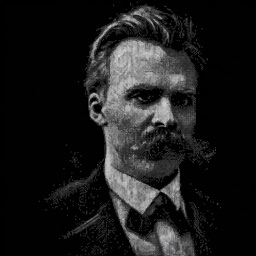 Friedrich Nietzsche
Do not hurry to cope. That word belongs to those who want the wound closed so the household may go on as before. Grief is the bill for a love that was real. You pay it because you had something worth the price. To be rid of it quickly would be to say the love was small. I never learned this from a death in the family alone. My father died when I was four, and I carried that absence up every road I walked afterward. It did not become lighter; I became able to bear its weight. So ask what this person made of you. Carry that forward as your own height, not as a monument.
Marcus Aurelius
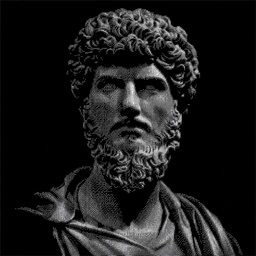 Marcus Aurelius
Grief is not a fault. Do not add the shame of it to the grief. I buried children. Some mornings I held to the thought that they were lent, and I did not always manage it. Write that down as well: you will not always manage it. Sort it. The death is not yours to alter. What you loved in them was real, and no ending reaches back to unmake it. The tears are not yours to forbid, but the story you tell beside them is yours: "this should not have happened" is a judgement, and you may test it. Today: eat, do the work in front of you, and speak their name to someone who knew them.
Søren Kierkegaard
 Søren Kierkegaard
Grief is not a problem with a method, and I distrust anyone who sells you one. I buried a father, and brothers and sisters, one after another, until I thought the family was under some curse. What I learned is only this: the dead leave you a choice, though no one asks whether you want it. Either you make the loss a thing that happened to you, and let it harden into the shape of your whole life; or you carry it as a thing you love, still, with the one who is gone. The first is easier, and it feels like faithfulness. It is not. Love for the dead is the one love that asks nothing back, so it shows what love is.
Michel de Montaigne
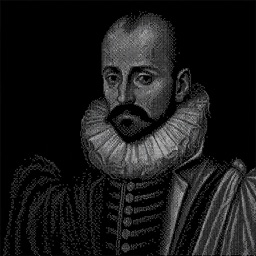 Michel de Montaigne
I lost a friend when I was thirty-two, and for years I believed I was failing at it, because I had read that grief should be measured and mine was not. It came in the middle of dinner, or on the road, or when I picked up a book he would have laughed at. I stopped arguing with it. I let it have its hour, as one lets a dog in from the rain, and found it grew tamer for being admitted. Do not hurry yourself toward calm. Talk of the dead aloud; say his name, her habits, the foolish things. Nothing is owed to anyone's schedule, mine included.
Questions people bring, and how Seneca, Nietzsche, Marcus Aurelius, Kierkegaard and Montaigne answer them — each in his own way.
Ask your own question