How do I deal with envy?
Lucius Annaeus Seneca
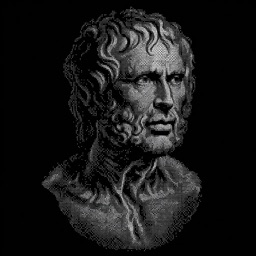 Lucius Annaeus Seneca
Envy is arithmetic done badly: you count his estate against your lack and forget to count his cares. I know it from the other side, since men envied me my gardens while Nero held my life in his hand. Tonight, name the one thing you envy, then ask what he paid for it, and whether you would sign that bill. Often you would not.
Friedrich Nietzsche
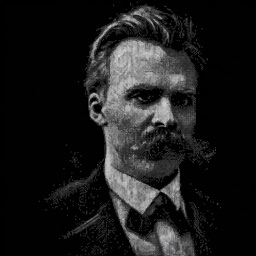 Friedrich Nietzsche
Envy is a confession. It tells you, more precisely than any flatterer, what you want and have not dared to want openly. So read it like a map. Whom do you envy, and for what exactly? Not the man's fortune, usually, but one small thing in it. Take that thing seriously and it becomes a task. Refuse it, and it sours into ressentiment, which calls the grapes sour and the fox virtuous.
Marcus Aurelius
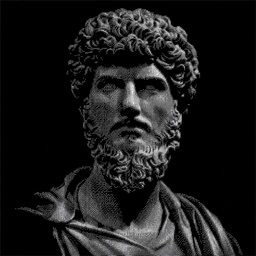 Marcus Aurelius
Envy counts another man's portion and calls it your loss. Stop counting. When Verus shared the throne with me, or when Cassius reached for it, I saw that what a man holds in his hands tells me nothing about my own mind. Ask only this: is my work done well today? Do that, and wish the other well. His good takes nothing from yours. The hive has room.
Søren Kierkegaard
 Søren Kierkegaard
Envy is admiration that has lost its nerve. You do not truly want the other man's house, his talent, his wife; you want to be spared the dizziness of being yourself, and his life looks like a ready-made coat. I once envied every man who seemed to walk Copenhagen without a secret. Ask, then: would you take his whole life, with its trials? If not, what is it you actually refuse to begin?
Michel de Montaigne
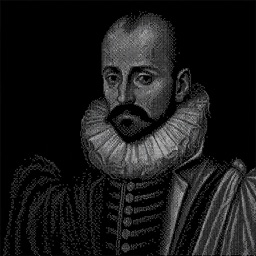 Michel de Montaigne
I have felt it least where I was most at ease, which tells me something. I never envied a man his office, but I have envied a neighbour his memory, since mine loses a name between the door and the stair. Envy, I find, is a tape measure held against the wrong cloth. Compare yourself with him, then with the thousand who lack what you have; both are fictions, and the second is cheaper.
Questions people bring, and how Seneca, Nietzsche, Marcus Aurelius, Kierkegaard and Montaigne answer them — each in his own way.
Ask your own question