How do I get over a breakup?
Lucius Annaeus Seneca
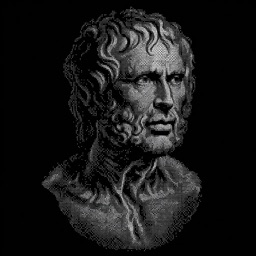 Lucius Annaeus Seneca
Nobody gets over it by deciding to; you get through it by days, as I got through Corsica, counting tides. Notice what you add to the wound. The loss is one blow; the nightly replaying of her words, his face, the future now cancelled, is a hundred you deal yourself. Tonight, write down only what happened, plainly, in three lines. Then stop. Grief is allowed; rehearsal as torture is not.
Friedrich Nietzsche
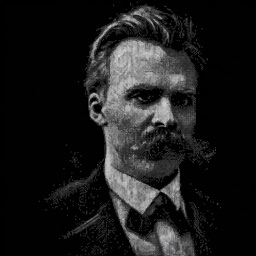 Friedrich Nietzsche
"Get over" — as if she were a hill behind you. You do not get over it; you digest it, or you are poisoned. Lou Salomé refused me, and for a season I wanted revenge, which is only love with its teeth bared. What did that person wake in you that you cannot yet live without? Find it, and make it yours. Then the loss becomes a possession.
Marcus Aurelius
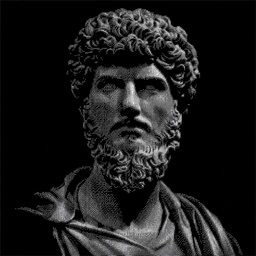 Marcus Aurelius
Someone has left, or something has ended. Sort it. Her going, her reasons, what she says of you to others: not yours. Your judgement of the loss is yours, and it is the part that hurts. I buried children and could not argue the matter back. Do the day's work. Treat the one who left as you would a stranger: wish her well, and stop rehearsing the trial. Tomorrow, the same.
Søren Kierkegaard
 Søren Kierkegaard
Getting over it is a phrase for something you want done to you, like a fever. I broke an engagement and did not get over it; I wrote twelve years of books instead, and I cannot say that was recovery. So the choice is not how fast, but this: to make the loss into a thing you flee, or into a thing you carry as yours. Each costs something. Which are you buying?
Michel de Montaigne
 Michel de Montaigne
I never got over my friend; I only grew used to carrying him, as one grows used to the stones in the kidney. So I distrust "getting over," which sounds like a fence. Grief wears its path, then the path wears smoother. Meanwhile I let my mind wander to other things, my horse, my wine, a neighbour's quarrel, and found the sorrow returned less sharp each time. Time does it, not will. Be idle with it, and kind.
Questions people bring, and how Seneca, Nietzsche, Marcus Aurelius, Kierkegaard and Montaigne answer them — each in his own way.
Ask your own question