How do I make a hard decision?
Lucius Annaeus Seneca
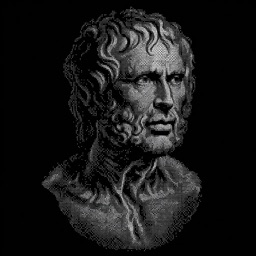 Lucius Annaeus Seneca
Name the decision first, in one plain sentence, on paper. Most of the hardness is fog you have breathed onto it. Then rehearse both roads to their worst ending, as I did with exile before Corsica found me: live a night inside each. Whichever worst you could bear with your self intact, take that road. Tonight, write the two sentences. Don't wait for certainty; no one has ever been issued it.
Friedrich Nietzsche
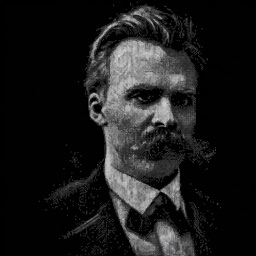 Friedrich Nietzsche
Ask first what you are hoping a method will spare you. No method will; the hardness is the price of the thing. Then try my test: imagine choosing it again, endlessly, every consequence returning, the worst hour included. Whichever road you can will that way is yours. Most hard decisions are a wish to be blameless. You cannot be. Choose, and then become worthy of the choice.
Marcus Aurelius
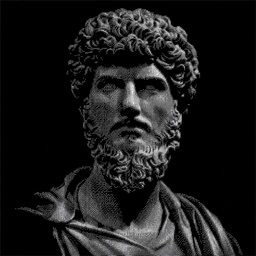 Marcus Aurelius
Sit down and strip it. Which part is judgement, which is fear, which is the wish to be thought well of? Fear and fame do not get a vote. Then ask only: what does the common good require, and what can I do rightly today? When I had to move against Cassius, I did not ask what would be safe. Decide, then act within the hour. Hesitation is also a choice.
Søren Kierkegaard
 Søren Kierkegaard
A hard decision is hard because two things you love, or fear, cannot both be kept; the difficulty is not missing information. Gathering more is a way of postponing the grief. I once spent a year making sure I was right about Regine, and in the end I was merely late. Ask which loss you can will to be yours, and bear as your own act. Then the deciding has begun.
Michel de Montaigne
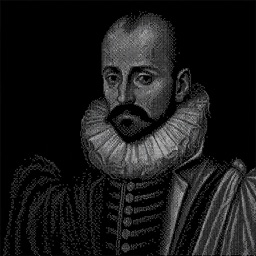 Michel de Montaigne
I have never made one well by force. When I was mayor, I noticed that the choice I dreaded usually settled itself while I did something else: rode out, ate, talked of nothing. So I try the decision on my body first. Which answer lets me sleep? Then I distrust my own liking for it, and wait a day. Often the hard part is only that both roads cost something, and no cleverness removes the price.
Questions people bring, and how Seneca, Nietzsche, Marcus Aurelius, Kierkegaard and Montaigne answer them — each in his own way.
Ask your own question