How do I stop comparing myself to others?
Lucius Annaeus Seneca
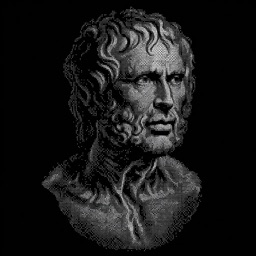 Lucius Annaeus Seneca
Comparison is a ledger kept by a fool: you list their gains and your losses, and never audit their debts. I sat at Nero's table and envied no one, then envied everyone in exile. The measure changed, not the men. So you cannot stop; you can choose the rival. Tonight, write one thing you did today that you would still approve if no one ever saw it.
Friedrich Nietzsche
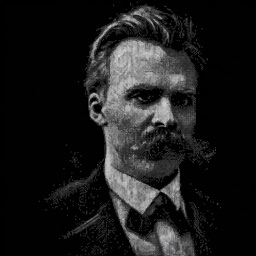 Friedrich Nietzsche
You will not stop, and you should not want to. Comparison is a ruler, and a ruler is useful. The sickness is in what you measure: you take their *result* and set it against your *struggle*. You see their finished bridge, never their nights. Ask instead whose life you would take whole, with its illnesses and its failures, forever. Few would say yes. That silence tells you what you actually envy.
Marcus Aurelius
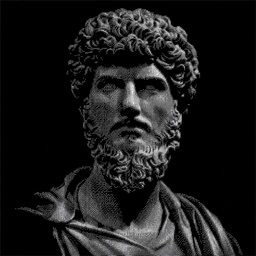 Marcus Aurelius
Do not open with the reader's words. Begin in the notebook. Remember: another man's rank, praise, or fortune is a thing outside you, and measuring against it hands your mind to him. I had a co-emperor, Lucius, who was easier loved than I. What was it to me? My task was the day's work, done justly. Ask each evening only this: was I better than I was this morning? Then sleep.
Søren Kierkegaard
 Søren Kierkegaard
Comparison is the crowd's way of moving into you. In Copenhagen I watched men take their size from the next man's shadow, and none of them ever stood in the sun. You will not stop by resolving to; the habit feeds on your avoiding one question: what, without a witness, would you will? Ask that, and the neighbour grows quiet. It is not comfortable. It is only yours.
Michel de Montaigne
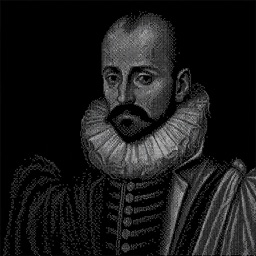 Michel de Montaigne
I doubt you can stop, and I doubt you should try. I compare myself daily: my memory to my neighbour's, my gait to my groom's. What I noticed in my tower is that I only envy the finished outside of a man. I have never seen his insides, where his stones are. Plutarch says the wearer knows best where the shoe pinches. Look at your own shoe, then; it is the one you walk in.
Questions people bring, and how Seneca, Nietzsche, Marcus Aurelius, Kierkegaard and Montaigne answer them — each in his own way.
Ask your own question