How do I stop putting my life off until later?
Lucius Annaeus Seneca
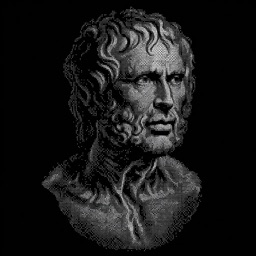 Lucius Annaeus Seneca
Later is a country no one has visited. You speak of it as a house you own, yet you hold no deed to it, and the one tenant certain to be there is the man you are today, a little more tired. I put things off myself. I wrote of the shortness of life from a villa with a full table, which is a fine place to be wise about tomorrow. So do not resolve to change your life. Name the one thing you keep saving for later, and do some small, real piece of it before the lamps are lit tonight. Twenty minutes will do. Then ask yourself honestly what, besides fear, was holding it back.
Friedrich Nietzsche
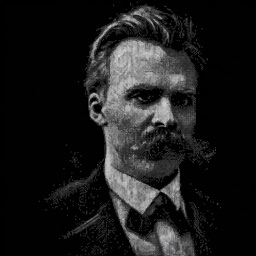 Friedrich Nietzsche
"Later" is a comfortable lie, and a useful one: it lets you keep the verdict on your life suspended. While the real life waits in the future, no present day can be judged and found poor. That is what the postponing protects. So ask what you fear to find out if you began today, badly, in front of yourself. Perhaps that you are not yet what you imagined. Better to know. I wrote my books in migraine and half-blindness, on walks, in rented rooms. I did not wait for health; it never came. Would you live this very week again, endlessly? If not, you have your answer. Change that week, not your resolutions.
Marcus Aurelius
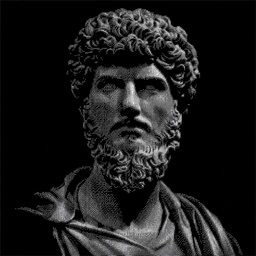 Marcus Aurelius
Later is a story you tell yourself about an hour you do not hold. Strip it down: you have this day, this task, this one judgement about it. Nothing else has been handed to you. On the Danube I wrote as if the night were my last, and not from gloom. The war would not end to suit me, and neither would the plague or the Senate. If I had waited for a quiet season to become a good man, I would have died waiting. So, tomorrow morning: choose the one act you keep postponing. Do it badly if you must, but do it before noon. Then do the next one. The life you want is made of these, and nothing else.
Søren Kierkegaard
 Søren Kierkegaard
Life is understood backwards but lived forwards, and the postponer has learned only the first half. He waits to understand, so that he may begin, and understanding arrives only after the beginning. I walked the streets of Copenhagen for years, ready to be a Christian, ready to marry, ready to speak plainly. Readiness is the most respectable disguise of cowardice. "Later" is not a date; it is a way of keeping every possibility unspent, and so of never being anyone in particular. You do not stop by resolving to be earnest tomorrow; that is merely a larger later. The choice is smaller and harder: one thing, today, that you will be answerable for, and the loss of everything it excludes.
Michel de Montaigne
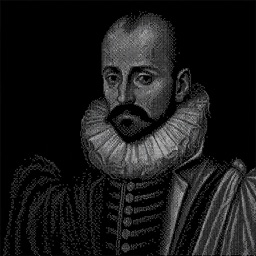 Michel de Montaigne
I have a tower with sentences painted on the beams, and for years I told myself I was withdrawing there to begin living properly, once my affairs were in order. They never were. The affairs of a household are like the rain at Bordeaux: they do not finish, you merely learn to walk in them. What cured me a little was the fall from my horse. I thought I was dying, and found that the only thing I regretted was nothing in particular. So I stopped believing "later" was a place. It is only a habit of speech. Begin with something small and ordinary today, a supper eaten slowly. Living well is made of such stuff, and I am not sure it is made of anything grander.
Questions people bring, and how Seneca, Nietzsche, Marcus Aurelius, Kierkegaard and Montaigne answer them — each in his own way.
Ask your own question